

The Ultimate Guide to Brewing Brazilian Coffee at Home
There’s a special kind of magic in brewing your own coffee at home. It’s a ritual that transforms your kitchen into a personal café, filling the air with an intoxicating aroma and culminating in a perfect, soul-warming cup. When that coffee is a high-quality Brazilian specialty coffee, the experience is elevated even further. Known for their rich, full-bodied flavors and comforting notes of chocolate and nuts, Brazilian coffee beans are incredibly versatile and rewarding to brew.
Whether you’re a seasoned home barista or just beginning your coffee journey, this guide will walk you through everything you need to know to master the art of brewing coffee from Brazil at home, featuring exceptional beans from a dedicated coffee producer like Black Tucano.
The Foundation: Choosing Your Brazilian Coffee Beans
The first and most crucial step is selecting the right coffee. The quality of your beans will have the single biggest impact on the final taste in your cup. When you choose a specialty coffee from Brazil, you’re opting for beans that have been meticulously grown, harvested, and processed to highlight their unique flavors. Look for roasters like Black Tucano who provide detailed information about their coffee, including the specific Brazil coffee farm or region of origin. This transparency is a hallmark of quality and a key principle of the Third Wave coffee movement.
Whole Bean vs. Pre-Ground
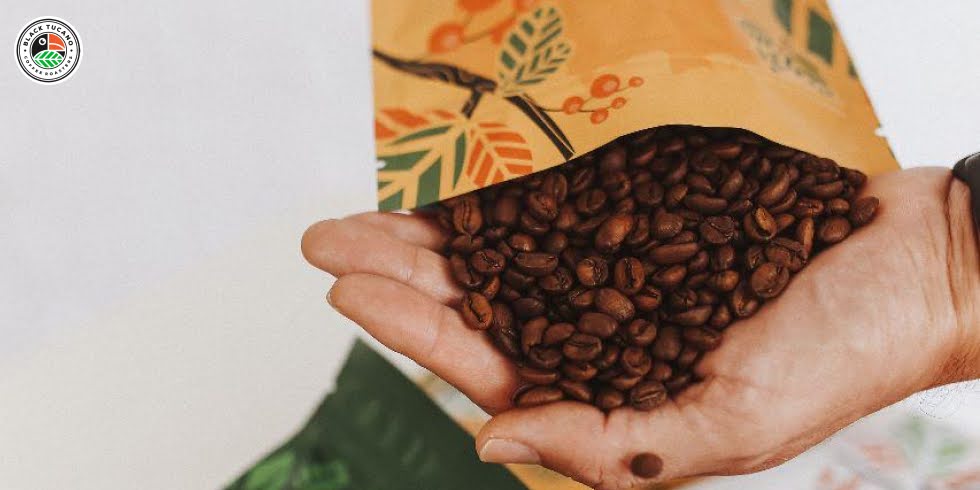
Whenever possible, buy whole brazilian beans coffee. Coffee begins to lose its flavor and aroma the moment it’s ground due to oxidation. Grinding your beans just before you brew is the single best thing you can do to improve your home coffee game. Investing in a quality burr grinder will allow you to achieve a consistent grind size, which is essential for a balanced extraction. If you’re new to this, Black Tucano’s Fresh Roasted Beans collection is the perfect place to start your exploration.
Essential Brewing Equipment
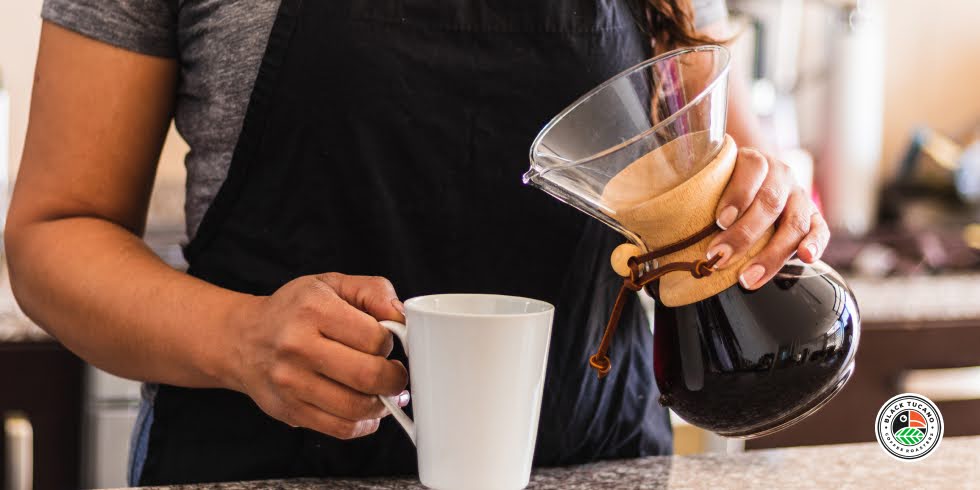
You don’t need a professional espresso machine to make fantastic coffee at home. Here are a few popular and accessible brewing methods that work wonderfully with Brazilian coffee:
- French Press: This classic immersion method is beloved for its ability to produce a rich, full-bodied cup with a robust texture. Because the coffee is fully immersed in water, it allows for a deep and thorough extraction of flavors, perfectly highlighting the chocolatey and nutty notes common in Brazilian specialty coffee.
- Pour-Over (e.g., Hario V60, Kalita Wave): The pour-over is the method of choice for many specialty coffee enthusiasts. It offers a high degree of control over the brewing process and produces a clean, clear cup that can accentuate the more subtle and complex notes of a coffee. It’s an excellent way to explore the nuances of a Single-Origin Brazilian coffee.
- AeroPress: This versatile and forgiving brewer is a favorite among travelers and home brewers alike. It uses air pressure to press the coffee through a filter, resulting in a smooth, rich, and low-acidity brew. It’s incredibly fast and easy to clean up, making it a convenient option for a quick, high-quality cup.
- Drip Coffee Maker: A good quality automatic drip coffee maker can also produce excellent coffee. Look for a model that is certified by the Specialty Coffee Association (SCA) to ensure it meets standards for water temperature and brewing time.
The Brewing Process: A Step-by-Step Guide
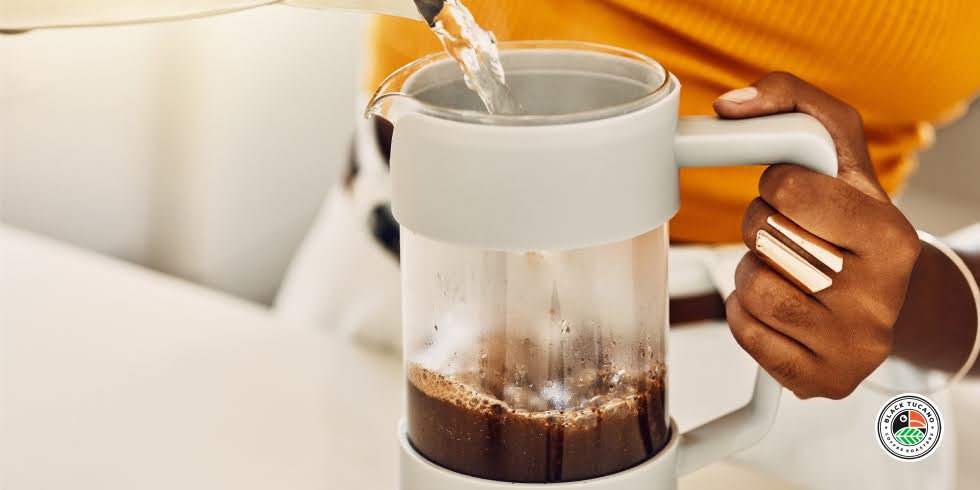
Regardless of your chosen method, the fundamental principles of good brewing remain the same. Let’s use the classic Pour-Over method as our primary example.
Step 1: The Golden Ratio
The coffee-to-water ratio is key to a balanced brew. A great starting point for most methods is a ratio of 1:15 to 1:17, meaning for every 1 gram of coffee, you’ll use 15 to 17 grams of water. For a single cup, you might use 20 grams of coffee and 300-340 grams of water. Use a digital scale to weigh both your coffee and your water for consistency.
Step 2: The Grind
The ideal grind size depends on your brewing method:
- French Press: Coarse grind (like coarse sea salt).
- Drip Coffee Maker: Medium grind (like granulated sugar).
- Pour-Over: Medium-fine grind (a bit finer than granulated sugar).
- AeroPress: Fine to medium-fine, depending on the recipe.
For our pour-over, we’ll use a medium-fine grind. The goal is to find the sweet spot where the water extracts the desirable flavors without over-extracting and causing bitterness.
Step 3: Water Temperature
The ideal water temperature for brewing coffee is between 195°F and 205°F (90°C to 96°C). If you don’t have a temperature-controlled kettle, simply bring your water to a boil and then let it sit for about 30-45 seconds before you start pouring.
Step 4: The Bloom
This is a crucial step for any pour-over. Once you’ve placed your ground coffee in the filter, start a timer and pour just enough hot water (about twice the weight of the coffee) to saturate all the grounds. You’ll see the coffee bed bubble and expand—this is the bloom,” the rapid release of CO2 gas that is trapped in the roasted beans. Allowing the coffee to bloom for about 30-45 seconds ensures a more even extraction and a sweeter cup.
Step 5: The Pour
After the bloom, continue pouring the water in slow, steady, concentric circles, working your way from the center outwards and back again. Try to maintain a consistent water level throughout the brew. Avoid pouring directly on the filter paper. The entire pouring process should take about 2.5 to 3 minutes. If it’s much faster, your grind is likely too coarse; if it’s much slower, your grind is too fine.
Tips for a Perfect Cup of Brazilian Coffee
- Use Filtered Water: Your brewed coffee is over 98% water, so the quality of your water matters. Avoid using hard tap water or distilled water. A simple carbon filter will do wonders for your brew.
- Pre-wet Your Filter: Before adding your coffee grounds, place the paper filter in your brewer and rinse it thoroughly with hot water. This removes any papery taste and also preheats your brewer and carafe, ensuring a more stable brewing temperature.
- Don’t Be Afraid to Experiment: This guide provides a great starting point, but the perfect cup of coffee is subjective. Play with the coffee-to-water ratio and grind size to find what tastes best to you. Does your coffee taste weak and sour? Try a finer grind. Is it overly bitter and harsh? Try a coarser grind. This process of dialing in your brew is part of the fun of being a home barista.
- Taste the Difference in Processing: Explore how different processing methods affect the taste of your Brazilian coffee. A naturally processed coffee might have more pronounced fruit-forward notes, while a washed coffee will be cleaner and brighter. Black Tucano’s Honey Coffee, for example, offers a unique sweetness and body that is a direct result of its processing.
Your Kitchen, Your Café
Brewing specialty coffee Brazil at home is an incredibly rewarding experience. It’s a journey of discovery that connects you more deeply with the coffee you drink, from the dedicated coffee producer at the Brazil coffee farm to the complex flavors dancing in your cup. It transforms a simple morning routine into a mindful ritual, a moment of craft and care that sets the tone for the rest of your day.
By starting with high-quality brazilian coffee beans, using the right equipment, and paying attention to the key variables of ratio, grind, temperature, and time, you can unlock the rich, nuanced, and satisfying flavors that make Brazilian coffee beloved around the world. So go ahead, explore the exceptional offerings from roasters like Black Tucano, and start your journey to brewing the perfect cup of coffee from Brazil, right in your own kitchen.