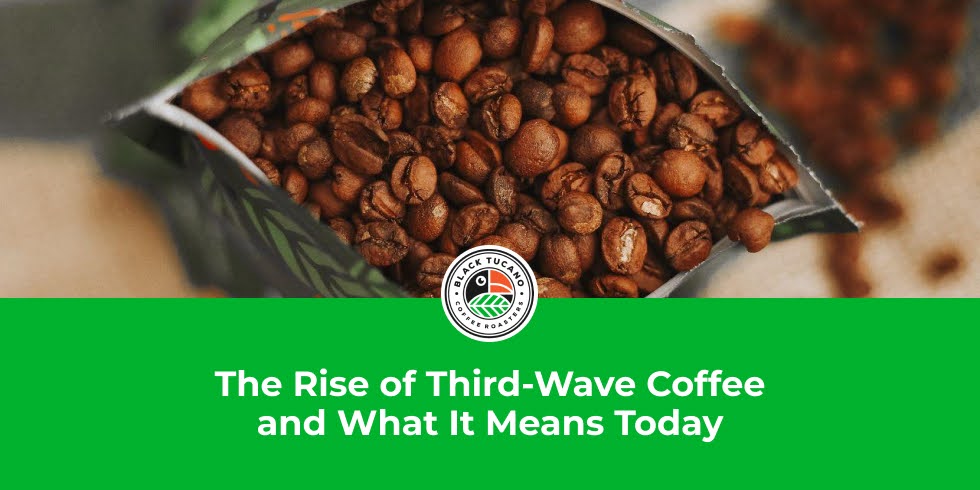
The Rise of Third-Wave Coffee and What It Means Today
Over the past few decades, the coffee landscape has undergone a profound transformation. What was once a simple, functional beverage has evolved into a complex artisanal product, appreciated with the same reverence as fine wine. This evolution is often described in “waves,” with the “Third Wave” representing the current pinnacle of coffee culture. But what exactly is the Third Wave, and how did it come to redefine our relationship with coffee?
For roasters like Black Tucano, who are at the forefront of sourcing and presenting exceptional Brazilian specialty coffee, the principles of the Third Wave are the very foundation of their craft. This article explores the rise of this movement and what it means for coffee lovers today.
The First and Second Waves: Setting the Stage
To understand the Third Wave, we must first look back at what came before. The First Wave of coffee, which began in the 19th century, was about making coffee accessible and affordable to the masses. This era introduced vacuum packaging and instant coffee, transforming the beverage into a household staple. The focus was on convenience and consistency, not flavor or origin. This is the world of commodity coffee, where beans are treated as a bulk good with little to no differentiation.
The Second Wave, which emerged in the latter half of the 20th century, marked a significant shift. Led by companies like Starbucks, this wave introduced the concept of the coffee shop as a social hub and popularized espresso-based drinks like lattes and cappuccinos. The Second Wave brought a better quality of coffee to the mainstream, introducing consumers to the idea of different origins and roast profiles. However, the focus was still largely on the experience of the café and the branding, with the coffee itself often taking a backseat to sugary syrups and marketing.
The Dawn of the Third Wave: A Focus on the Bean Itself
The Third Wave of coffee began as a reaction to the commercialization of the Second Wave. It represents a fundamental shift: away from branding and café culture, and back to the coffee bean itself. The Third Wave treats coffee as an artisanal food, like wine or craft beer, where the inherent qualities of the bean are paramount.
This movement is defined by a deep appreciation for the entire journey of the coffee, from the specific Brazil coffee farm where it was grown to the precise method used to brew it.
Key Pillars of the Third Wave
Several key principles define the Third Wave movement:
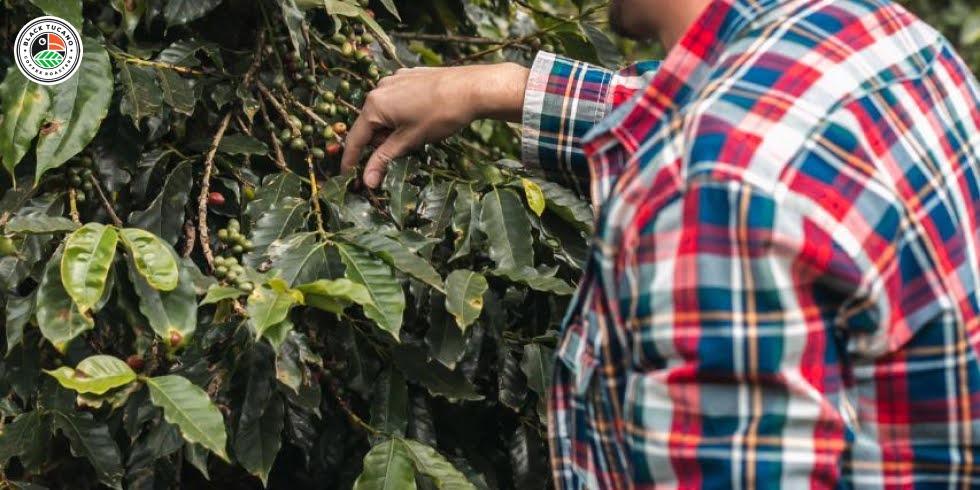
Transparency and Traceability: Third Wave coffee is all about knowing the story behind your cup. This means complete transparency in the supply chain, allowing consumers to trace their Brazilian coffee beans back to the specific cooperative or even the individual coffee producer. This traceability is not just a marketing gimmick; it’s a guarantee of quality and a way to honor the people whose hard work made the coffee possible.
Emphasis on Origin and Terroir: The Third Wave celebrates the unique flavor profiles that come from a coffee’s specific origin, a concept known as terroir. It recognizes that a coffee from Brazil will have a distinct character shaped by its unique soil, climate, and altitude. This is why you see single-origin offerings highlighted, allowing the consumer to experience the pure, unadulterated taste of a specific place. The importance of origin is a central theme in the article ‘Brazil’s Coffee Terroir: How Geography Shapes Flavor‘.
Direct Trade and Ethical Sourcing: Many Third Wave roasters prioritize direct trade relationships with farmers. By cutting out intermediaries, they can pay farmers a significantly higher price for their premium beans, fostering a more sustainable and equitable model for the coffee industry. This approach ensures that the economic benefits of the growing demand for specialty coffee are shared more fairly.
Lighter Roast Profiles: While the Second Wave often favored dark, roasty profiles that created a uniform flavor, the Third Wave embraces lighter roasts. The goal of a Third Wave roaster is to highlight the delicate, complex, and unique flavors of the bean, not to mask them with the taste of the roast itself. This requires immense skill and a deep understanding of how to unlock the potential of each specific batch of beans.
Precision in Brewing: The final step in the Third Wave journey is the brewing. This wave has seen the popularization of manual brewing methods like the pour-over, AeroPress, and siphon, which allow for greater control over variables like water temperature, grind size, and brew time. The barista is seen as a craftsperson, a skilled professional whose expertise is crucial in delivering the perfect cup.
What the Third Wave Means for You Today
The rise of the Third Wave has had a profound impact on the coffee you drink and how you experience it. For the consumer, it means access to a wider variety of higher-quality, more flavorful coffees than ever before. It means you can walk into a café or browse an online store like Black Tucano and choose from a selection of coffees with distinct and fascinating flavor profiles — from the chocolatey and nutty notes of a classic Brazilian coffee to the bright, fruity notes of an exotic single-origin.
It also means you have the power to make a more informed and ethical choice. By choosing to buy from a Third Wave roaster, you are supporting a system that values quality, sustainability, and the well-being of the farmers who are the backbone of the industry. You are investing in a more transparent and equitable supply chain, which is crucial for the future of Brazil coffee production.
Furthermore, the Third Wave invites you to become an active participant in your coffee experience. It encourages curiosity and exploration, providing the tools and knowledge to brew better coffee at home and to understand the nuances that make each cup unique. Whether you are experimenting with a new brewing method or comparing a Single-Origin vs. a Blend, the Third Wave turns coffee from a passive act of consumption into an engaging and rewarding hobby.
The Future: Is There a Fourth Wave?
As the principles of the Third Wave become more mainstream, some are already beginning to talk about a “Fourth Wave.” While its definition is still evolving, the Fourth Wave seems to be focused on making the science of coffee more accessible and putting an even greater emphasis on the consumer’s experience and preferences. It also continues to push the boundaries of processing methods and sustainability at the farm level, with a deeper scientific understanding of how fermentation and drying affect flavor.
Regardless of what the future holds, it is clear that the Third Wave has irrevocably changed the coffee industry for the better. It has raised the bar for quality, fostered a greater appreciation for the art and science of coffee, and created a more sustainable and connected global coffee community.
In conclusion, the rise of Third Wave coffee is a story of a return to the source. It’s a movement that has stripped away the marketing and the frills to focus on what truly matters: the inherent quality and unique story of the coffee bean itself. By embracing the principles of transparency, quality, and sustainability, the Third Wave has not only given us better coffee but has also created a more conscious and connected way to enjoy it.
So the next time you savor a cup of specialty coffee Brazil, take a moment to appreciate the incredible journey it has taken and the passionate people who have made it possible. You are not just drinking coffee; you are tasting the culmination of a global movement.
Explore our coffees at blacktucano.com.