
The Most Beloved Brazilian Coffee Varieties
Brazilian coffee has long been recognized for its diversity, consistency, and global influence. But beyond the country’s sheer production capacity lies something far more interesting: an extraordinary range of varieties that shape the flavors found in specialty coffee. Among these, a few stand out not only for their sensory appeal, but also for their history, agronomic resilience, and the role they play in elevating Brazil’s reputation among coffee professionals worldwide. This guide explores four of the most beloved Brazilian varieties, such as Catuaí 81, Yellow Caturra, Yellow Catucaí 2SL, and Yellow Catuaí, and outlines why they hold such a meaningful place for growers, roasters, and coffee enthusiasts.
As specialty coffee continues to expand, Brazilian varieties have become essential in both single-origin offerings and carefully crafted blends. They deliver the balance, sweetness, and structure that roasters seek, while also offering unique sensory profiles capable of surprising even the most experienced coffee drinker.
At Black Tucano Coffee Roasters, these varieties play a central role in how we highlight Brazil’s terroir. Through meticulous sourcing, careful roasting, and a commitment to transparency, our goal is to present these coffees in their best expression, whether as approachable everyday cups or as elevated specialty releases.
In this blog, we explore each variety’s origin, characteristics, and why it has become so valued within the specialty coffee landscape. From the genetic lineage to the flavor notes that consistently stand out on the cupping table, this guide serves as a reference for anyone seeking to understand what makes Brazilian coffee so diverse and exceptional.
An Overview of Brazil’s Most Beloved Coffee Varieties
Catuaí 81: A Classic Made for Stability and Sweetness
Catuaí 81 is one of the most iconic cultivars in Brazil’s coffee history. Developed in the 1940s and released more widely in the 1970s, it originates from a cross between Mundo Novo and Caturra. The goal behind Catuaí’s development was simple: to create a compact, highly productive plant capable of thriving in Brazil’s varied microclimates.
Over time, Catuaí 81 became a favorite among producers for its adaptability. It offers excellent yield potential and responds well to altitude variations, making it a reliable choice for farms across states such as Minas Gerais, Espírito Santo, Bahia, and Paraná. Its resilience and consistent performance transformed it into a foundational variety for Brazilian specialty coffee.
In the cup, Catuaí 81 typically reveals medium body, refined sweetness, and pronounced balance. Notes of caramel, almond, and milk chocolate often emerge, along with gentle citrus or fruity nuances depending on the processing method. Natural-process Catuaí 81 can lean toward dried fruits and richer sweetness, while pulped natural or washed versions tend to highlight acidity and clarity.
For roasters, Catuaí 81 offers predictability, a trait that should not be underestimated. It behaves well in both light and medium roast profiles and is frequently used as a backbone in blends that require structure and sweetness. For single-origin releases, it showcases Brazil’s ability to provide layered, comforting flavor profiles that remain accessible to a wide audience.
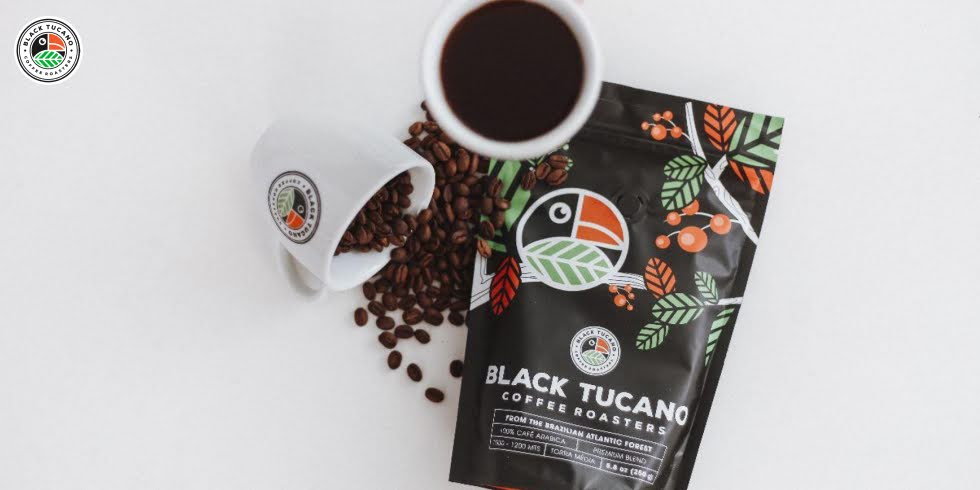
Black Tucano Fruity Coffee is crafted from the Catuaí 81 variety using a controlled fermentation process, resulting in a vibrant and aromatic cup with sweet notes of strawberry, raspberry, molasses and honey, a bold, fruity experience for those who love expressive specialty coffees.
Yellow Caturra: Bright, Elegant, and Sensory-Driven
Caturra is a natural mutation of Bourbon discovered in Guatemala in the early 20th century. When introduced to Brazil, it adapted quickly, giving rise to both red and yellow variants. Yellow Caturra, the yellow-fruited version, is especially prized for its bright cup profile and remarkable sweetness.
With a smaller stature compared to Bourbon, Yellow Caturra offers higher productivity and easier management. Its maturation cycle pairs well with harvesting timelines across multiple Brazilian regions, making it both practical and rewarding for producers.
Sensory-wise, Yellow Caturra brings vibrant acidity, floral highlights, and fruit-driven complexity. It often shows notes of citrus, stone fruits, and panela-like sweetness. For producers who focus on specialty processing, such as anaerobic fermentation, extended natural drying, or honey methods, Yellow Caturra responds exceptionally well, unveiling layers of aromatics that stand out on the table.
For Black Tucano Coffee Roasters, this variety represents an opportunity to showcase expressive, high-scoring coffees capable of surprising customers who associate Brazil solely with chocolate-heavy profiles. When sourced from micro-lots and processed with care, Yellow Caturra demonstrates the full potential of Brazilian terroir.
Black Tucano Honey Coffee is made from the Yellow Caturra variety and crafted through the honey process, offering a naturally sweet and expressive cup with a smooth body and notes of cane molasses, honey and raspberry, a distinctive choice for those who appreciate exotic specialty coffees.
Yellow Catucaí 2SL: Innovation, Resilience, and Modern Specialty Potential
Catucaí is a hybrid group that originated from crosses between Icatu and Catuaí, two varieties known for their productivity and disease tolerance. Among its many lines, Yellow Catucaí 2SL has become one of the most admired for specialty coffee due to its resilience and strong cup performance.
Developed with an emphasis on rust resistance and adaptability, Yellow Catucaí 2SL allows producers to maintain productivity while also aiming for higher sensory scores. Its plant structure is strong, its fruit maturation is uniform, and it thrives in diverse environments, from high-altitude farms to hotter, drier regions.
In the cup, Yellow Catucaí 2SL tends to deliver rich sweetness, creamy texture, and layered fruity notes. Depending on terroir and processing, it may feature hints of yellow fruits, tropical sweetness, caramel, or even subtle florals. Many producers have adopted this cultivar for experimental fermentations due to its ability to develop complexity without losing structure.
For roasters, this variety offers versatility. It performs well in both modern light roast, preserving acidity and fruit brightness, and in more traditional medium roasts that emphasize body and smooth sweetness. Yellow Catucaí 2SL showcases how Brazilian innovation continues to support both agronomic progress and the sensory pursuit of excellence.
Black Tucano Single Origin is crafted from the Yellow Catucaí 2SL variety using the washed process, delivering an elegant and balanced cup with delicate floral notes, followed by hints of honey, cane sugar and peach, a refined choice for true specialty-coffee enthusiasts.
Yellow Catuaí: The Icon of Brazilian Specialty Coffee
Among all Brazilian coffee varieties, Yellow Catuaí stands as one of the most recognized and celebrated. It shares the same genetic origin as Catuaí 81 but expresses itself differently due to fruit color mutation and specific line selections. Yellow Catuaí is widely grown throughout Brazil and has become the signature variety of countless farms.
Its appeal lies in a combination of predictable yield, good resistance, and a cup profile that resonates with specialty buyers around the world. Yellow Catuaí represents the “Brazilian cup” many people think of: smooth, sweet, structured, and comforting, yet capable of surprising complexity with the right processing techniques.
On the sensory spectrum, Yellow Catuaí often features sweet chocolate, nuts, soft fruits, and balanced acidity. In natural and honey processes, its fruity side becomes more pronounced, notes of yellow fruits, caramel, and dried berries frequently appear. When washed, its clarity and balanced acidity shine, making it an excellent option for clean, elegant cup profiles.
For Black Tucano Coffee Roasters, Yellow Catuaí holds a special place because it represents the versatility of Brazilian coffee. Whether transformed into approachable offerings for daily drinking or curated as specialty micro-lots, this variety embodies the diversity and consistency that define Brazil’s global reputation.
Black Tucano Premium Blend combines exceptional Yellow Catuaí microlots from Minas Gerais, offering rich aromas of chocolate and red fruits, with a flavor profile that reveals milk chocolate, caramel and apple pie, a full-bodied, long-lasting and beautifully balanced cup.
Why These Varieties Matter for the Future of Brazilian Specialty Coffee
Catuaí 81, Yellow Caturra, Yellow Catucaí 2SL, and Yellow Catuaí together illustrate the breadth of Brazil’s genetic and sensory potential. They offer different agronomic strengths, respond uniquely to processing innovations, and showcase a spectrum of flavors ranging from classic chocolate sweetness to expressive acidity and fruit complexity.
For producers, these cultivars provide resilience in the face of climate change, flexibility for diverse microclimates, and opportunities for greater profitability through specialty coffee markets. For roasters like Black Tucano, they expand the possibilities for creating differentiated offerings that both honor tradition and embrace innovation.
As consumer interest in traceable, high-quality, and sustainably produced coffee increases, these varieties will continue to play a central role in shaping Brazil’s future in the specialty segment. Their adaptability, stability, and sensory potential make them indispensable to the next generation of producers and coffee professionals.
To explore these coffees in all their richness, visit the Black Tucano website and discover the full selection of our specialty Brazilian coffees.