
Black Tucano Coffee Roasters: Brazil’s Coffee Terroir – How Geography Shapes Flavor
Brazil’s reputation as the world’s largest coffee producer is well established, but the deeper story lies in something far more nuanced: coffee terroir. Terroir refers to the interplay between geography, climate, altitude, soil, and local ecosystems, factors that determine the sensory identity of every coffee bean. When it comes to terroir, few places on earth rival the complexity and diversity of Brazilian coffee.
From chocolate-heavy profiles to bright fruit notes, from floral and citrus aromas to sugarcane sweetness, Brazil produces an astonishing range of flavors. This diversity is no accident; it is rooted in centuries of agricultural tradition, vast and varied territory, and the constant evolution of farming and processing practices.
In this blog, we explore the most iconic Brazilian coffee varieties, why they are so prized in the world of specialty coffee, and how Black Tucano Coffee Roasters works with these cultivars to craft exceptional coffees available as ground coffee and whole beans.
Understanding Coffee Terroir in Brazil
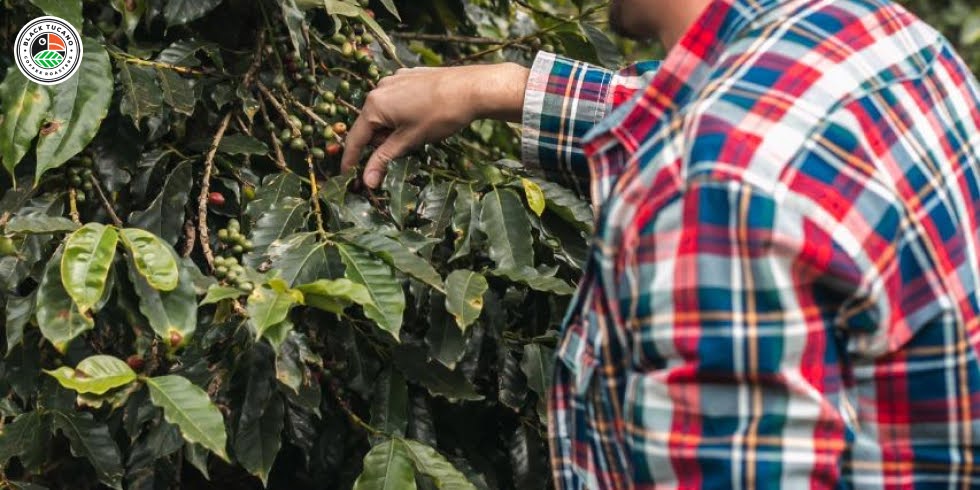
When people think of terroir, wine often comes to mind. But coffee, especially specialty coffee, relies just as much, or even more, on the environment in which it is grown. Brazil’s coffee terroir is shaped by four essential elements: altitude, soil composition, climate patterns, and micro-regions. Together, they create the foundation for Brazil’s wide range of flavor profiles.
Altitude: A Key Factor in Flavor
One of the biggest geographical advantages of Brazilian coffee production is altitude diversity. While some countries grow coffee primarily in very high mountains, Brazil offers a spectrum of altitudes that produce different sensory results.
High-altitude regions, like parts of Espírito Santo, Minas Gerais, and Bahia, tend to grow beans with bright acidity, fruity and floral notes, and well-developed sweetness due to slower maturation.
Medium-altitude regions, such as São Paulo’s Mogiana, produce balanced coffees with caramel, chocolate, and nutty characteristics.
Lower-altitude areas, including sections of the Cerrado and Paraná, yield smooth, full-bodied coffees with lower acidity and comforting flavors of cocoa, toasted grains, and sugarcane.
This range of altitudes contributes to the vast range of brazilian beans coffee enjoyed worldwide.
Soil Composition and Its Influence
Brazil’s soil types are incredibly diverse. The iconic terra roxa, rich in minerals and volcanic material, produces coffees with structure and complexity. Clay-rich soils contribute to rounder, sweeter cups, while sandy soils create lighter, cleaner flavors.
Different soil compositions directly influence the density of the bean, sugar development, and aromatic complexity. This is why a coffee from Brazil can taste like orange blossom in one region and like creamy chocolate in another.
Climate and Microclimates
Brazil benefits from stable temperatures, defined dry and wet seasons, and abundant sunshine. These climate conditions make the country ideal for large-scale and specialty coffee farming.
But within these broader patterns exist countless microclimates—tiny pockets of unique environmental conditions shaped by mountains, valleys, bodies of water, and forested areas. Microclimates create subtle variations in temperature, humidity, and wind, all of which influence bean development.
As a result, two farms just kilometers apart may produce coffees with entirely different sensory profiles. This phenomenon is essential to understanding brazil coffee terroir.
A Country Built for Coffee Diversity
Few countries match Brazil’s geographical scale and environmental variation. Brazilian coffee is grown in:
- Plateaus;
- Mountain ranges;
- Coastal foothills;
- Dry savannas;
- Rainforests;
- Volcanic soil regions.
This environmental richness makes Brazil capable of producing a wide spectrum of specialty coffee Brazil, from fruity and floral profiles to chocolatey, nutty, or honey-sweet cups.
Sensory Profiles Across Brazil’s Coffee Regions
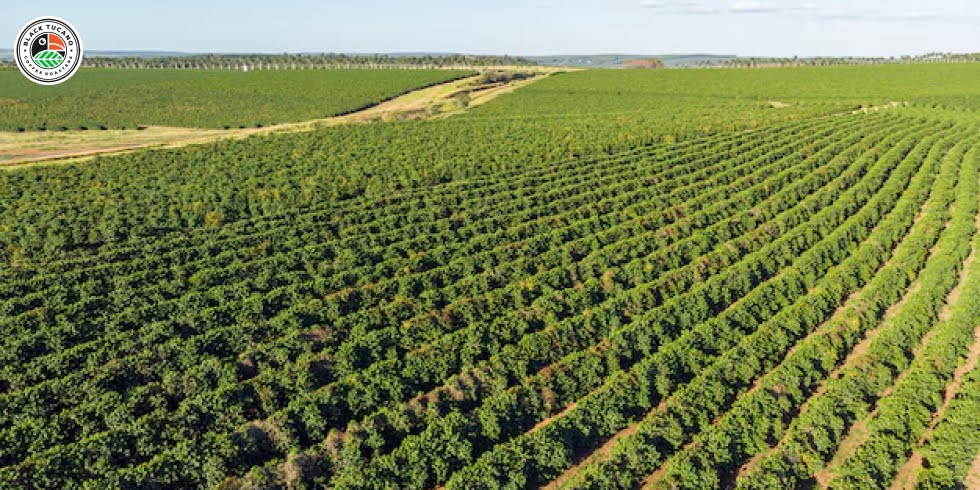
To understand the diversity of Brazil coffee production, it’s helpful to explore the main coffee-growing regions and what makes each one taste distinct.
- Minas Gerais
Minas Gerais is the heart of Brazilian coffee. Regions like Sul de Minas, Cerrado Mineiro, and Chapada de Minas produce coffees with notes of chocolate, nuts, caramel, red fruits, and balanced acidity. The terroir here is celebrated for its consistency and richness.
- Espírito Santo
This region offers some of the most aromatic coffees in the country. Higher altitude zones produce beans with bright acidity, floral notes, spice, and citrus flavors. Espírito Santo is also a reference in high-quality robusta (Conilon).
- São Paulo
Known for sweet, smooth coffees, the Alta Mogiana region produces beans with low acidity, cocoa, caramel, and round body. The terroir here is ideal for those who prefer comforting, traditional Brazilian profiles.
- Bahia – Chapada Diamantina
Bahia’s microclimates enable the production of fruity, exotic coffees with high sweetness, tropical fruit notes, and vibrant acidity. This region is a rising star in specialty coffee competitions.
- Cerrado Mineiro
Cerrado is famous for its consistency and structured cups. Expect full body, dried fruit notes, sugarcane-like sweetness, and clean profiles.
- Paraná
Historically significant for Brazilian coffee, Paraná produces softer profiles with grain notes, toasted sugar, and mild sweetness, making them ideal for blends.
Each region tells a story, and this diversity explains why Brazil is such a beloved coffee producer worldwide.
How Black Tucano Coffee Roasters Captures Brazil’s Terroir
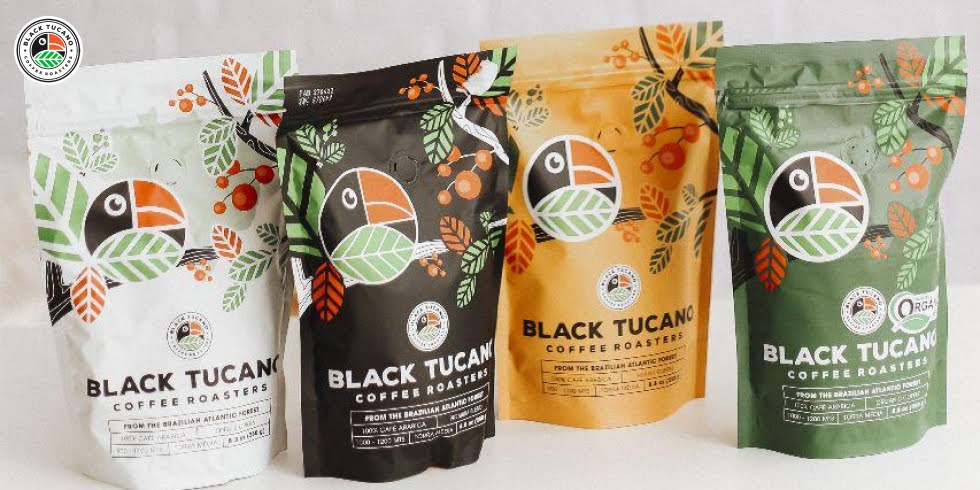
While Brazil’s geography creates the potential for incredible flavors, it takes skill, experience, and passion to bring out the best in each bean. This is where Black Tucano Coffee Roasters stands out.
The brand sources beans from carefully selected brazil coffee farm partners who practice sustainable agriculture, responsible harvesting, and meticulous post-harvest processing. Each coffee is roasted with precision to highlight its natural terroir, whether fruity, floral, chocolaty, or sweet.
Black Tucano’s portfolio showcases the finest expressions of Brazilian specialty coffee, offering options in ground coffee and whole-bean coffee:
Black Tucano Fruity Coffee
The Black Tucano Fruity Coffee is an exclusive microlot produced in Afonso Cláudio, Espírito Santo, grown at 850 meters of altitude. This fermented Catuaí 81 coffee delivers a vibrant and aromatic cup with notes of strawberry, raspberry, molasses, and honey, offering an intense and sweet fruit-forward profile. With an SCA score above 89, it stands among Brazil’s finest specialty coffees.
Black Tucano Honey Coffee
A rare and expressive Brazilian specialty coffee grown at 1,100m in Afonso Cláudio (ES) by producer Waldir Manske. This Yellow Caturra microlot uses the Honey process, which preserves part of the fruit’s natural sweetness and enhances complexity.
The cup offers a velvety body, medium rounded acidity and elegant notes of cane molasses, honey and raspberry. With an SCA score above 86, it represents the richness of Brazil’s artisanal mountain terroirs.
Black Tucano Single Origin
The Black Tucano Single Origin is produced in Afonso Cláudio, Espírito Santo, grown at 900 meters of altitude. This washed Catucaí 2SL Amarelo microlot offers a balanced and elegant cup with floral notes, hints of honey and rapadura, and a touch of peach.
Black Tucano Premium Blend
The Black Tucano Premium Blend is crafted from two standout microlots from Minas Gerais, bringing together a sophisticated and harmonious flavor profile. The first component, a Catuaí Amarelo grown at 1000–1200 meters in Mantiqueira de Minas, offers aromas of chocolate and red fruits with notes of milk chocolate, caramel, and apple pie. The second component, a Mundo Novo grown at 920–1000 meters in Serra do Paredão, adds sweet aromas and flavors of cacao, rapadura, and nuts. With an SCA score above 86, this blend delivers a balanced cup with medium-to-full body, intense aromas, and a memorable finish.
Black Tucano Organic Coffee
A rare and sustainable Brazilian specialty coffee sourced from certified organic farms. Naturally processed to preserve its purity and character, it delivers a creamy body, balanced acidity and an SCA score above 86. Expect a smooth and comforting sensory profile with notes of milk chocolate, peanut butter and caramel.
Each product reflects the essence of Brazilian coffee beans and celebrates the richness of Brazil’s geography.
Black Tucano: Honoring Brazil’s Coffee Heritage
Brazil’s terroir is one of the most powerful forces shaping the global coffee industry. From mountains to plateaus, from volcanic soils to rainforest microclimates, the country’s geography produces some of the most fascinating and delicious coffees in the world.
Black Tucano Coffee Roasters transforms this natural diversity into exceptional specialty coffees, offering consumers an authentic journey through Brazil’s landscapes, farms, and flavors. Whether you prefer fruit-forward, chocolatey, floral, or balanced profiles, there is a Black Tucano coffee crafted exactly for your palate.
Visit the Black Tucano website and discover our exclusive selection of specialty coffees.