The Difference Between Commodity Coffee and Specialty Coffee
In today’s bustling world, coffee is more than just a morning ritual; it’s a global culture. Yet, not all coffees are created equal. The cup you grab from a gas station and the one meticulously prepared at a high-end café originate from two fundamentally different worlds: the worlds of commodity coffee and specialty coffee. While both may offer a caffeine kick, the journey from farm to cup, the flavor in that cup, and the economic impact of your purchase are vastly different.
For companies like Black Tucano, which is dedicated to showcasing the best of Brazilian specialty coffee, understanding this distinction is at the core of their mission. This guide will delve into the critical differences between these two categories, helping you appreciate what makes a cup of coffee truly special.
What is Commodity Coffee? The Economics of Scale
Commodity coffee is the backbone of the mainstream coffee industry, representing the vast majority of coffee consumed globally. It is traded on stock exchanges, much like oil or wheat, with its price fluctuating based on market supply and demand. The primary focus of commodity coffee is on quantity and consistency at a low cost. These are the beans typically found in large pre-ground cans at supermarkets or in jars of instant coffee.
Production and Processing
The production of commodity coffee is geared towards efficiency and high volume. It is often grown on massive plantations at lower altitudes, using coffee plant varieties selected for their high yield and resistance to disease rather than their flavor potential. Harvesting is typically done mechanically, where machines strip all the coffee cherries—ripe, under-ripe, and over-ripe—from the branches at once. This non-selective harvesting method inevitably leads to a mix of qualities in the final batch.
After harvesting, the beans are processed in bulk, often using methods that are quick and cost-effective but do little to enhance the coffee’s inherent flavors. Traceability is minimal; a single bag of commodity coffee can contain beans from countless different farms and even different countries, all blended to create a uniform, predictable, and often unremarkable flavor profile year after year.
The Emergence of Specialty Coffee: A Commitment to Quality
In stark contrast, specialty coffee is a movement driven by a passion for quality, flavor, and transparency. The term itself has a precise definition: according to the Specialty Coffee Association (SCA), coffee that scores 80 points or more on a 100-point scale is graded as “specialty.” This rigorous evaluation is performed by certified Q Graders who assess everything from aroma and flavor to acidity, body, and aftertaste. It’s a world where every detail matters, from the specific Brazil coffee farm it originates from to the final brew.
The Importance of Terroir and the Coffee Producer
At the heart of the specialty coffee movement is the concept of terroir—the unique environmental factors of a coffee’s origin, including its soil, climate, and altitude, that shape its flavor. A dedicated coffee producer will cultivate specific coffee varieties that thrive in their particular microclimate, often at high altitudes where the cooler temperatures cause the coffee cherries to mature slowly, developing denser, more complex sugars and acids. This is why a specialty coffee from Brazil can have a completely different taste profile from one grown in Ethiopia or Colombia.
The harvesting process is meticulous. Instead of mechanical stripping, workers often hand-pick only the perfectly ripe cherries, returning to the same plants multiple times over several weeks. This selective harvesting ensures a consistent and high-quality raw product. The processing that follows is equally careful, with methods like washed, natural, or the increasingly popular honey process being chosen to accentuate the specific desired attributes of the Brazilian coffee beans.
A Tale of Two Journeys: From Farm to Cup
The path a coffee bean takes from the plant to your mug is dramatically different in the commodity and specialty worlds. The commodity coffee journey is one of anonymity and bulk logistics. Beans are aggregated, processed, and shipped in massive quantities, losing their individual identity along the way. The supply chain is long and opaque, with many intermediaries between the farmer and the consumer.
Conversely, the specialty coffee journey is one of traceability and connection. Roasters like Black Tucano often build direct relationships with the coffee producer, ensuring not only access to the highest quality beans but also that the farmers are paid a fair, premium price for their exceptional work. This shorter, more transparent supply chain allows consumers to know the story behind their coffee—the origin, the variety, and the people who grew it. This focus on the origin is beautifully explained in the article ‘What Defines Specialty Coffee — And Why It Matters‘.
The Sensory Divide: Flavor, Aroma, and Complexity
The most tangible difference for the consumer is, of course, the taste. Commodity coffee is often characterized by a generic, one-dimensional “coffee” flavor. Because it’s made from a blend of beans of varying quality and is often roasted dark to mask defects, the taste can be bitter, roasty, and lacking in nuance. The goal is a consistent product, not an exceptional one.
Specialty coffee, on the other hand, offers a universe of flavors and aromas. Because of the high-quality beans and precise roasting profiles designed to highlight, not hide, their inherent characteristics, you can experience a dazzling array of notes. A bag of Brazilian coffee might have notes of rich chocolate, nuts, and caramel. Another might surprise you with the bright, sweet notes of strawberry and raspberry, like Black Tucano’s Fruity Coffee. This diversity is what makes exploring specialty coffee so exciting; it’s a sensory journey that commodity coffee simply cannot offer.
Economic and Ethical Implications
Choosing specialty coffee is also an ethical and economic decision. The commodity market is volatile, and the low prices often leave farmers struggling to make a living, trapping them in a cycle of poverty. There is little incentive for them to invest in quality or sustainable farming practices when their product is treated as an interchangeable bulk good.
The specialty coffee model offers a more sustainable path. By paying premium prices for high-quality beans, roasters empower farmers to invest in their farms, their families, and their communities. This focus on quality over quantity fosters a more equitable system that rewards hard work and expertise, contributing to the long-term health of the Brazil coffee production ecosystem and the livelihoods of those who depend on it.
Why You Should Make the Switch to Specialty Coffee
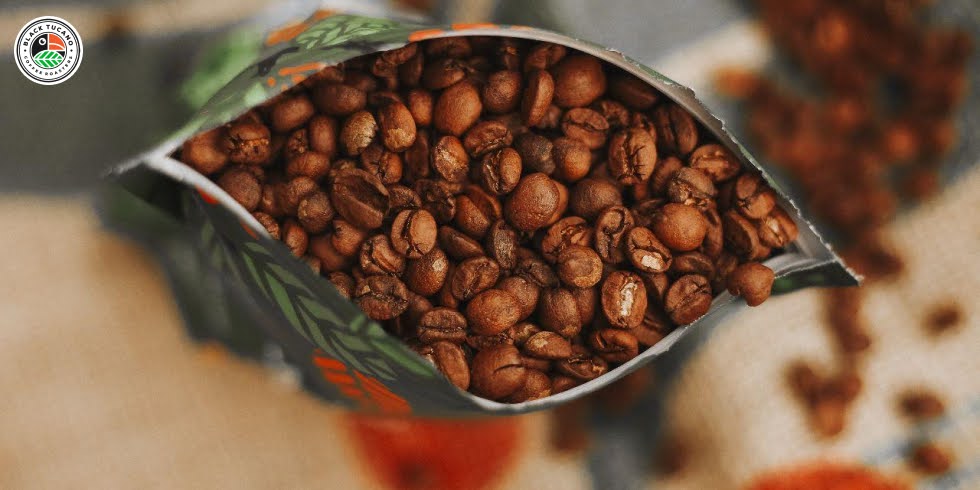
Making the switch from commodity to specialty coffee is an upgrade to your daily life. It’s a choice to experience superior flavor, to connect with the story behind your coffee, and to support a more sustainable and ethical industry. It’s about transforming your coffee ritual from a simple habit into a moment of genuine pleasure and discovery.
While the initial price point may be higher, the value is exponentially greater. You are paying for the immense care, skill, and dedication that has gone into every step of the process, from the hands that picked the cherries to the expert roaster who unlocked their potential. You are investing in a system that values people and the planet.
In conclusion, the difference between commodity and specialty coffee is not just a matter of taste, but a matter of philosophy. It’s the difference between a mass-produced item and an artisanal craft. By choosing to explore the world of specialty coffee Brazil, you are not just buying a better beverage; you are becoming part of a global movement that celebrates quality, sustainability, and the rich, diverse flavors that make coffee one of the world’s most beloved drinks.
Visit: www.blacktucano.com