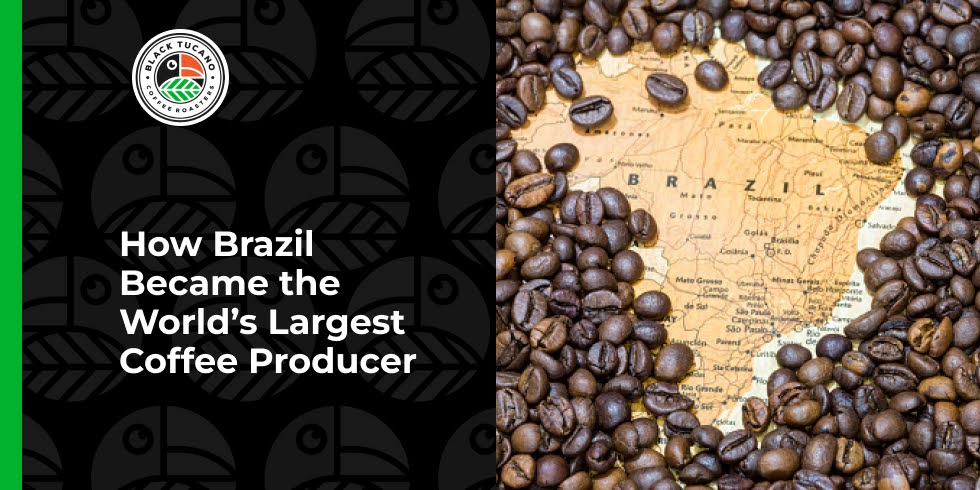
How Brazil Became the World’s Largest Coffee Producer
The story of how Brazil became the world’s largest coffee producer is one of geography, innovation, resilience, and cultural identity. It is a journey that began centuries ago and continues to evolve as the global coffee market transforms. Today, when the world thinks of coffee — whether it is a traditional morning brew or a carefully crafted specialty cup — Brazil stands at the center of that experience. Understanding how the country reached this level of global influence requires looking deeper into its past, its climate, its agricultural strategy, and the remarkable shift from mass production to the creation of specialty coffees.
Coffee arrived in the country in the early 1700s. While the global origin of coffee traces back to Ethiopia, it was Brazil’s fertile soil and the rising demand for coffee in Europe and North America that propelled the country into a new agricultural era. By the 1800s, the expanding plantations of Rio de Janeiro, São Paulo, and Minas Gerais transformed Brazil into a powerhouse. As global consumption soared, the nation’s coffee fields grew rapidly, laying the foundation for what would become a worldwide coffee empire.
Geography and Climate: The Perfect Conditions for Coffee
Brazil’s remarkable rise is rooted in its natural advantages. Coffee plants thrived in the country’s warm climate, fertile soils, and balanced rainfall. Regions such as Minas Gerais, Espírito Santo, Bahia, and Paraná became famous for their productivity and consistency. The variation in altitude, from 600 to more than 1,500 meters, allowed producers to grow both Arabica and Robusta with exceptional efficiency.
While countries like Colombia built reputations around specific high-altitude profiles and Vietnam specialized in Robusta, Brazil mastered the full spectrum. This diversity positioned Brazil not only as the largest producer, but also as the most versatile player in the global coffee market.
Innovation and Technology: Forces That Strengthened Leadership
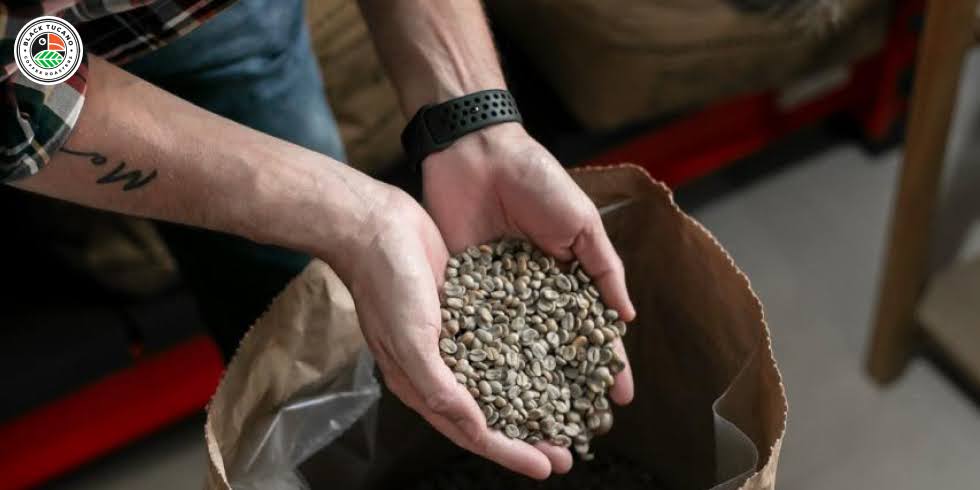
Brazil’s dominance did not rely on geography alone. Mechanization transformed the country’s coffee production in the 20th century. Because many plantations are located on flatter terrain, farms adopted large-scale harvesting machinery earlier than most producing countries. This innovation significantly reduced costs and increased efficiency, giving Brazil a competitive edge.
Institutions such as Embrapa played a crucial role by developing disease-resistant cultivars, improving soil management, and advancing technology that shaped the future of coffee agriculture. Their work ensured that Brazil could maintain high productivity even in years affected by frost, pests, or drought.
From Volume to Excellence: Brazil’s Shift Toward Specialty Coffee
For decades, the world associated Brazil with industrial-scale coffee production. The country supplied the beans that filled supermarket blends and influenced global prices. But a transformation began in the 1990s as consumer preferences shifted toward traceability, uniqueness, and higher-quality coffee experiences.
Brazil adapted quickly. Farms in Carmo de Minas, Cerrado Mineiro, Chapada Diamantina, and other regions began refining harvest methods, improving drying patios, and experimenting with processing such as natural, pulped-natural, honey, anaerobic fermentation, and carbonic maceration. These innovations elevated Brazil’s reputation, proving that the country could produce extraordinary specialty coffees, not only volume.
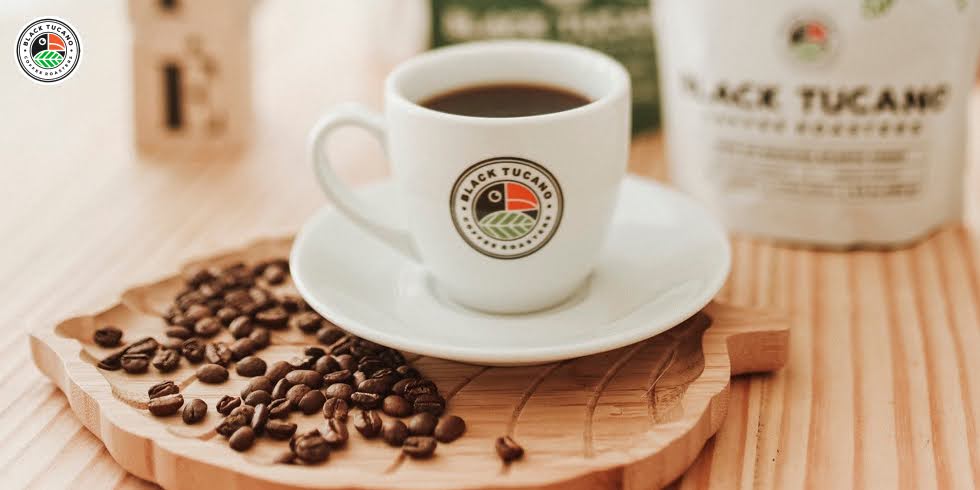
It is in this context that brands like Black Tucano found fertile ground to thrive. By working closely with producers who embrace innovation, we showcase coffees that reflect Brazil’s modern phase: bold, sweet, complex, and crafted with intention. Black Tucano highlights what Brazil does best today, combining tradition with cutting-edge processing to create specialty coffee that competes globally.
Sustainability: The New Foundation of Brazilian Coffee
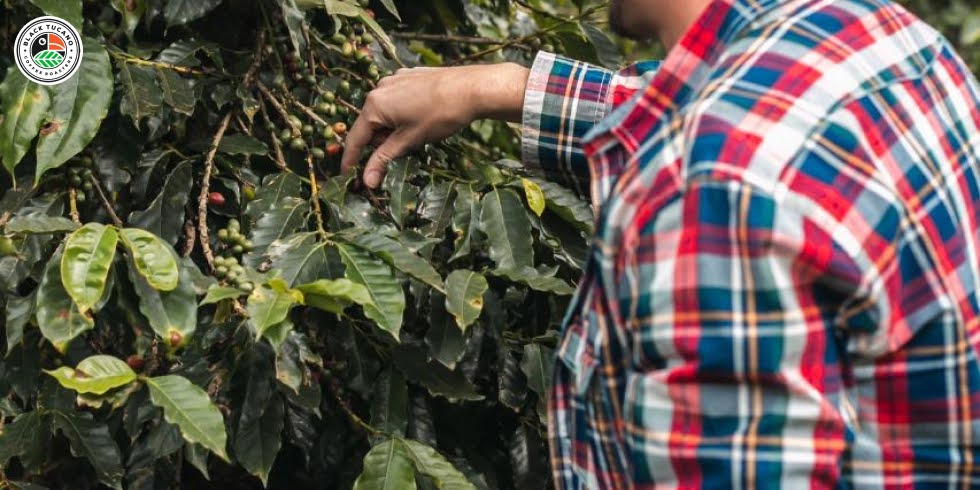
Sustainability has become a cornerstone of modern Brazilian coffee production. With global concerns about deforestation, water usage, and climate change, producers across the country are adopting environmentally conscious methods to protect the future of coffee.
Reforestation initiatives, shade-grown systems, selective harvesting, and water-saving post-harvest techniques have become increasingly common. Many farms pursue certifications that guarantee ethical and sustainable practices, ensuring transparency from farm to cup.
Black Tucano stands firmly within this movement. By prioritizing sustainable sourcing, we not only support responsible farming but also ensure that every bag of specialty coffee reflects environmental respect and long-term viability. For consumers who value sustainability, this commitment adds depth and purpose to every cup.
A Cultural Legacy That Continues to Influence the World
Coffee is deeply woven into Brazilian identity. For centuries, it has shaped landscapes, rural communities, and family traditions. Multi-generational farms, some more than a hundred years old, continue to blend ancestral knowledge with modern techniques to create exceptional coffees.
Across Brazilian cities, specialty cafés highlight regional differences, celebrate local terroirs, and share stories of producers whose families have shaped Brazil’s coffee legacy. Black Tucano is part of this cultural renaissance, offering coffees that represent the diversity of Brazilian terroirs while embracing contemporary roasting approaches that bring out the best in each bean.
The Future of Brazilian Coffee: Innovation, Diversity, and Global Impact
As the global appetite for specialty coffee grows, Brazil continues to lead the way. Research into climate-resilient cultivars aims to protect the industry from future environmental challenges. Experimental processing methods push the boundaries of flavor and elevate Brazil’s presence in international competitions.
Black Tucano contributes to this future by celebrating innovation, supporting producers, and offering coffees that embody the richness, diversity, and excellence of Brazil’s specialty coffee movement. Each roast reflects not only the skill of the farmers but also the company’s commitment to delivering an authentic and memorable coffee experience.
A Nation That Built a Coffee Legacy and Continues to Reinvent It
Brazil’s journey to becoming the world’s largest coffee producer is a story of natural advantage, scientific progress, and deep cultural connection. What began as large-scale agriculture transformed into an industry celebrated for quality, precision, and innovation. Today, Brazil not only leads in volume, it inspires the future of specialty coffee worldwide.
Through its dedication to quality and sustainability, Black Tucano represents this modern era of Brazilian coffee. Every cup captures a piece of the nation’s legacy while showcasing the bright, complex flavors that define the new generation of specialty coffee.
To experience this evolution of coffee in every cup, visit the Black Tucano website and discover our exclusive selection of specialty coffees.